What We Do
From a snapped spring to a full door replacement - one local crew, upfront pricing.
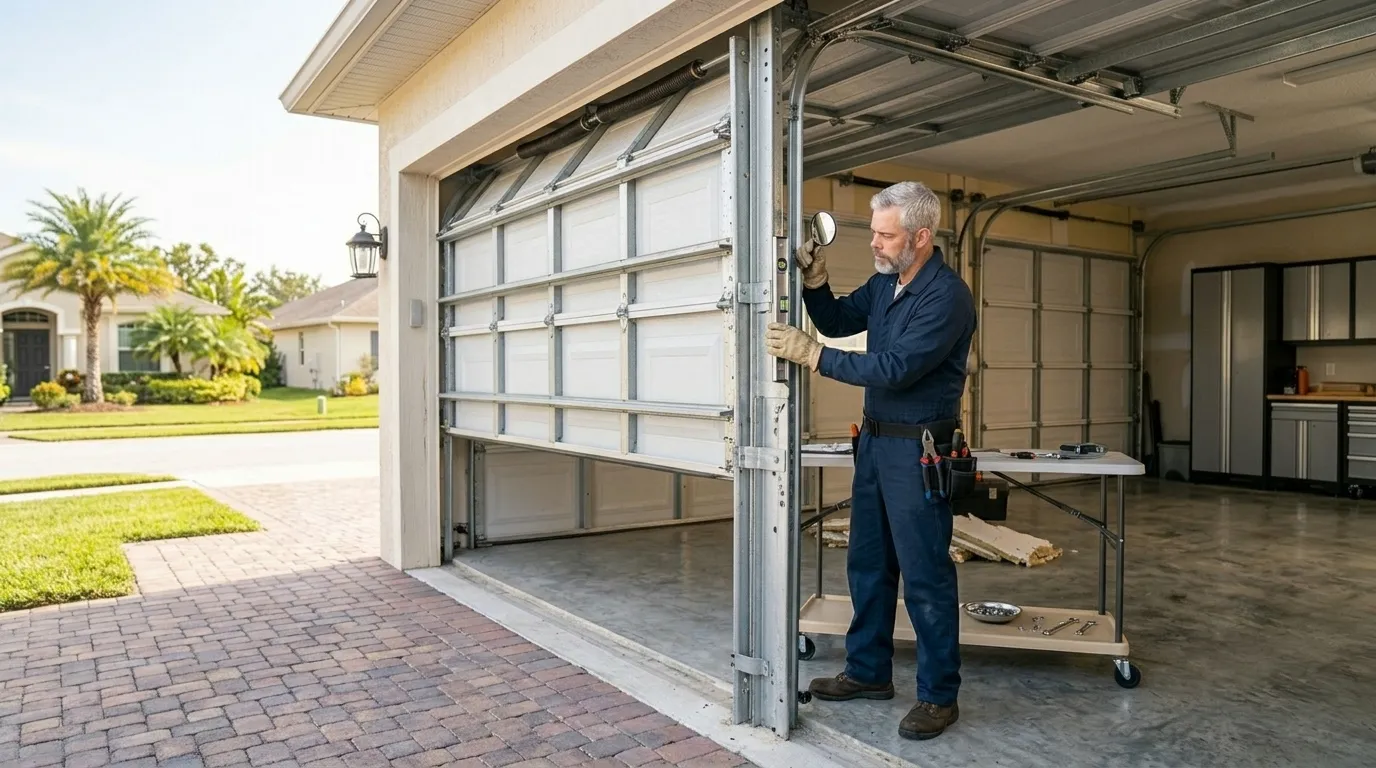
Off-track doors, snapped cables, bent panels and grinding openers - diagnosed and fixed.
Learn more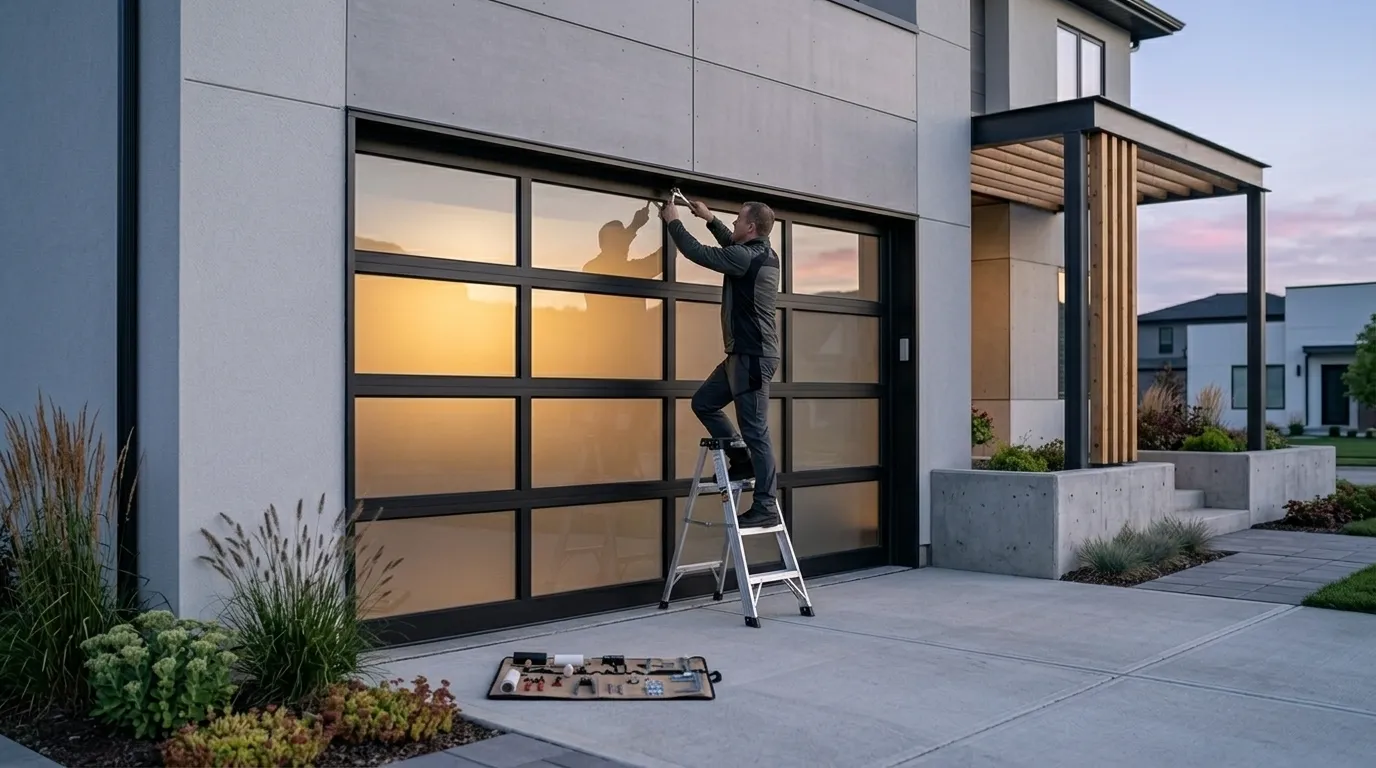
Torsion and extension springs replaced safely - the job you should never DIY.
Learn more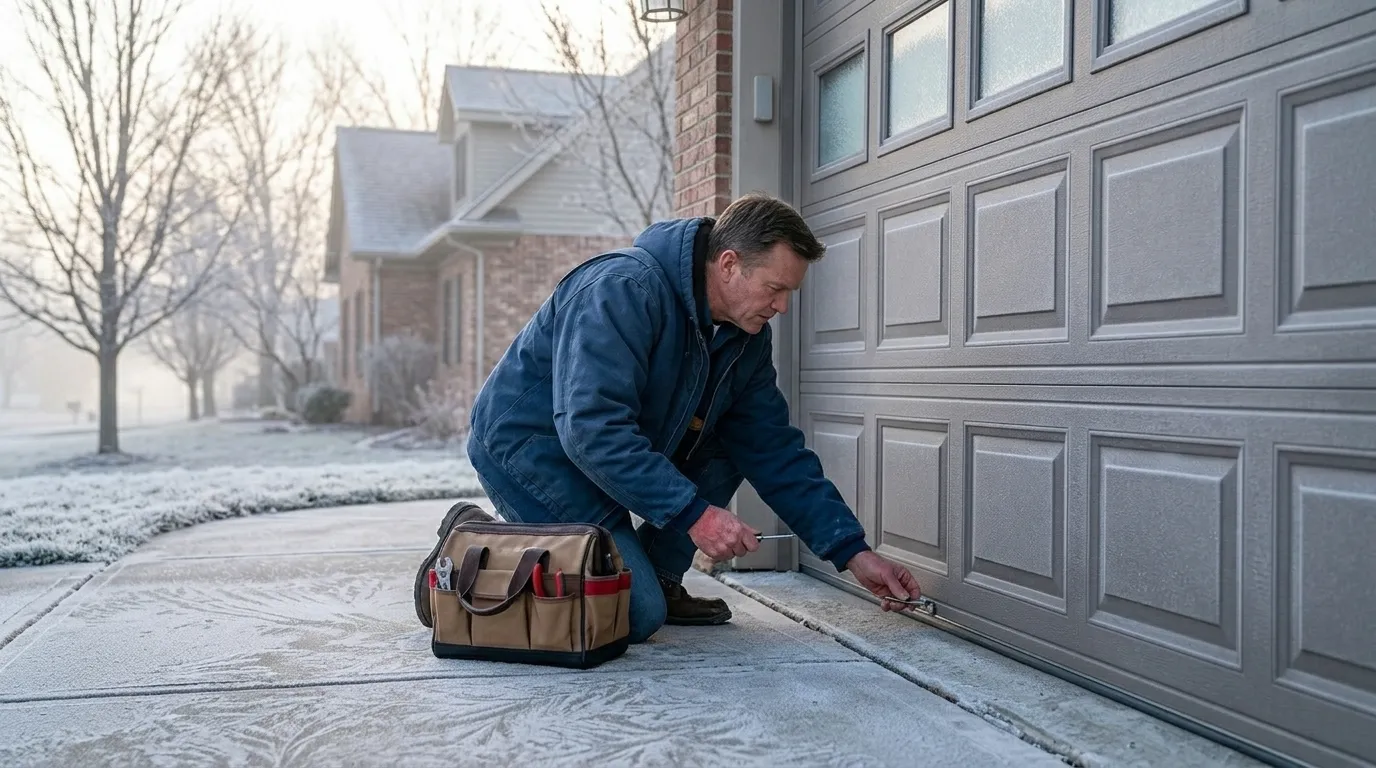
Doors jumped the track re-set, aligned and re-tensioned so they run true.
Learn more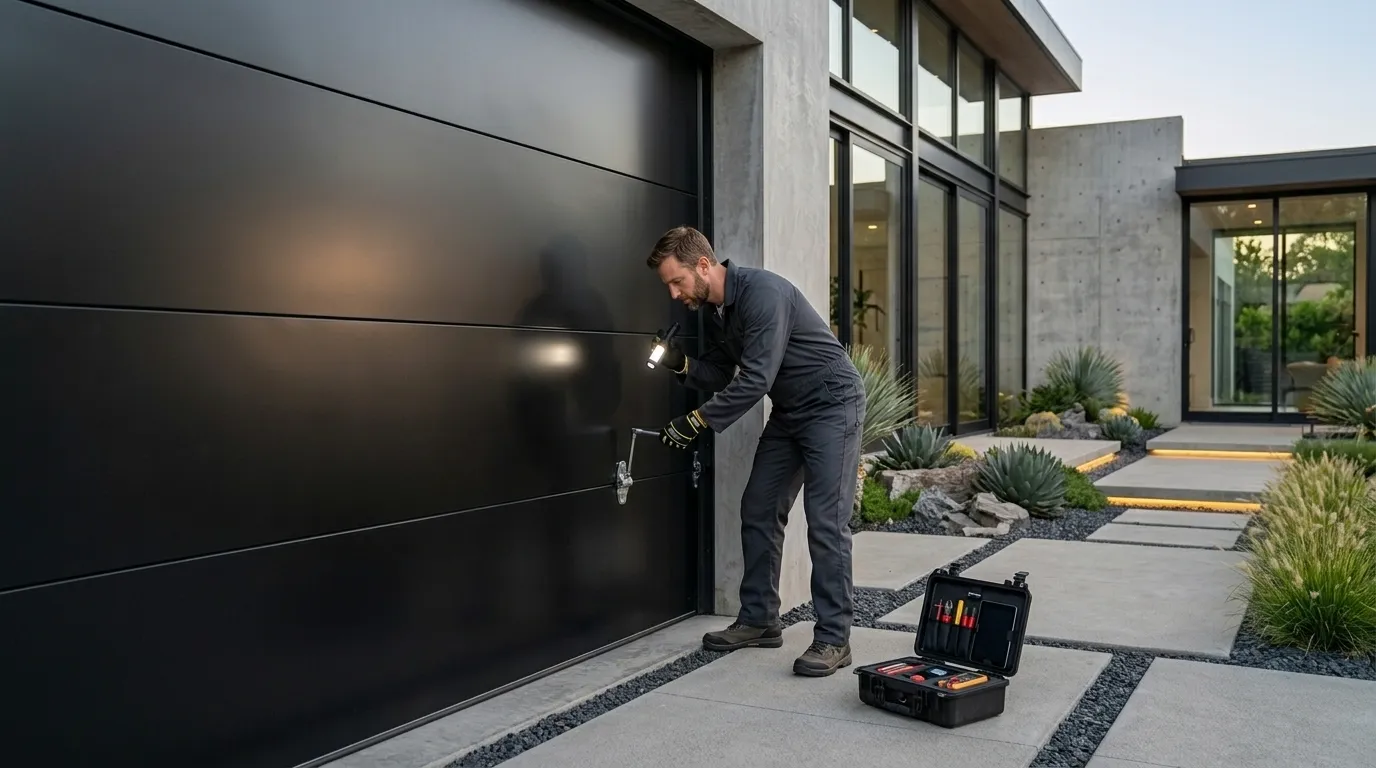
Frayed or snapped lift cables replaced and balanced against the springs.
Learn more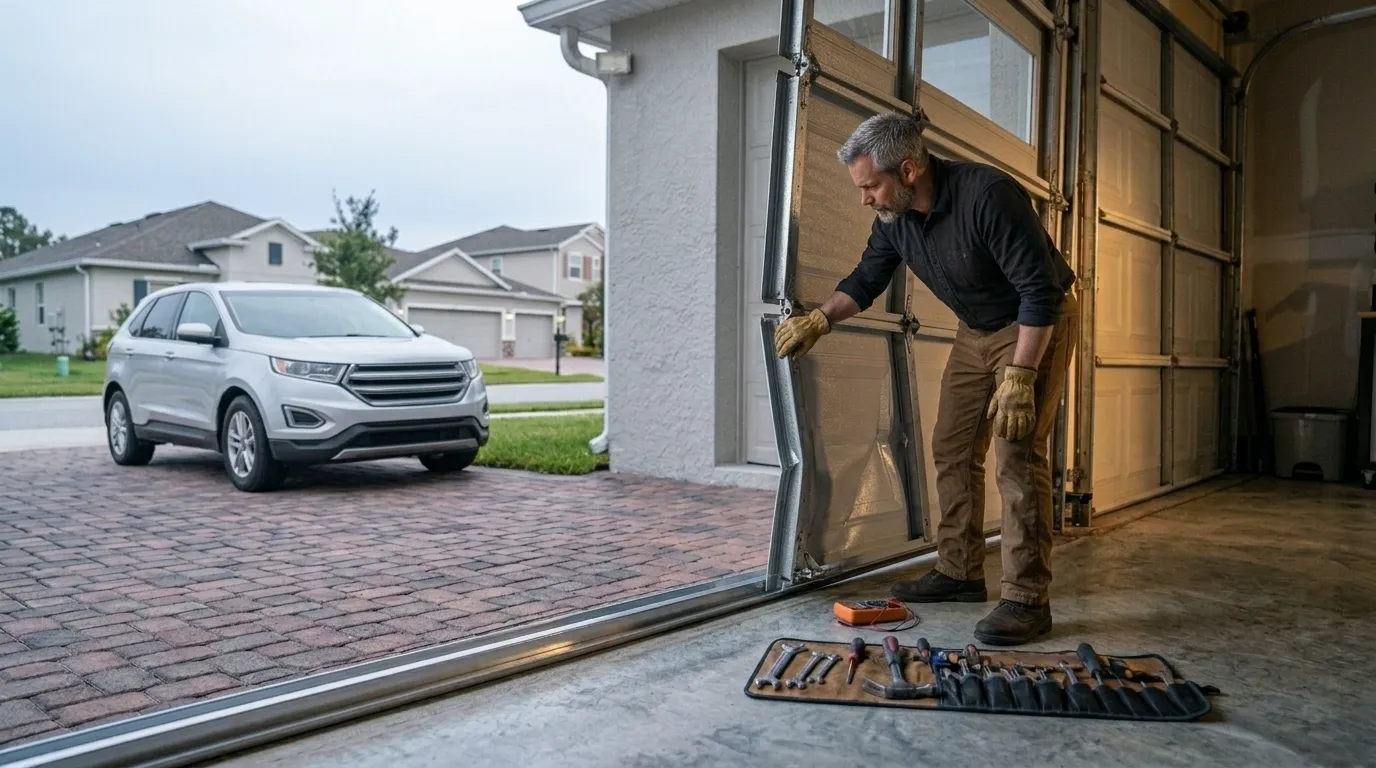
Dented or cracked sections swapped for a match without replacing the whole door.
Learn more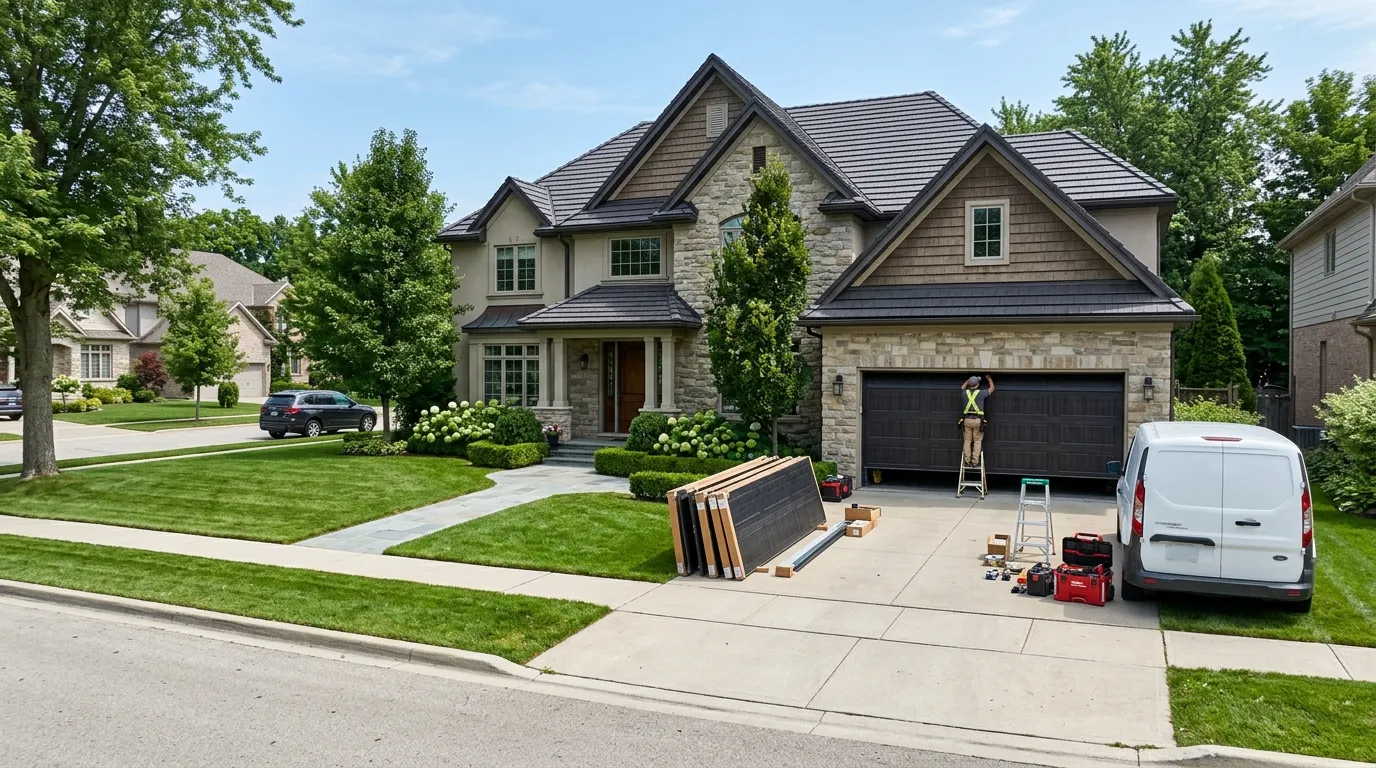
Worn nylon or steel rollers replaced to kill the grinding and shaking.
Learn moreFast Response
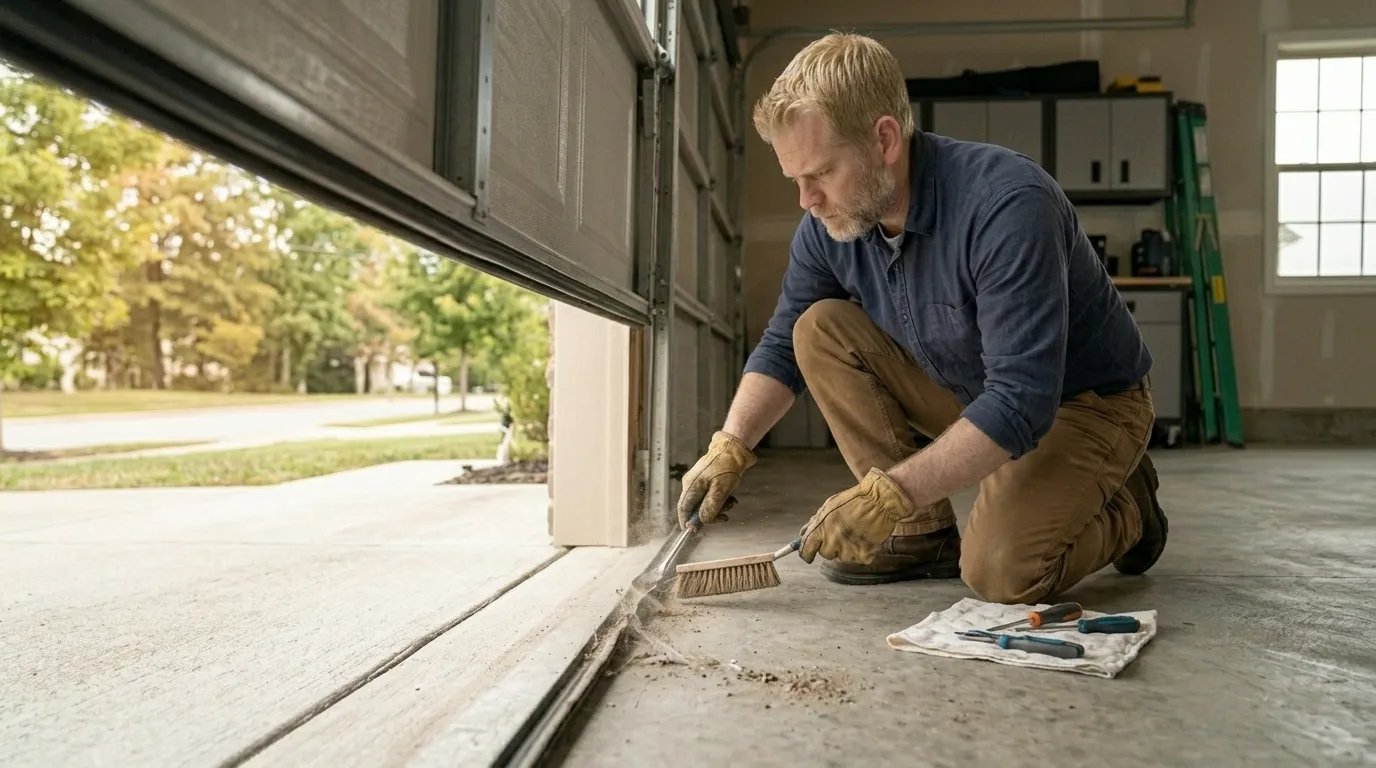
A stuck or broken garage door can't wait. Call before the afternoon and we can usually be out the same day - most repairs are diagnosed and finished on the first visit, with an upfront price before any work starts.
 Same-day service
Why Louisville Calls Us
Most repair calls are handled the same or next day - springs and openers don't wait.
Trained techs, proper spring tools, and the insurance to back the work.
A written quote at the door before any work starts - no surprise add-ons.
We diagnose the actual cause, not just the symptom, so the door stays fixed.
Fully stocked trucks mean most repairs are finished on the first visit, no second trip.
A Louisville-based team you can reach directly, not a national call center.
How It Works
Call or request a quote and describe what the door is doing - noise, off-track, won't open.
A tech inspects the springs, tracks, opener and panels and gives you a written price first.
Most repairs are done on the same visit; installs are scheduled around you.
Our Work
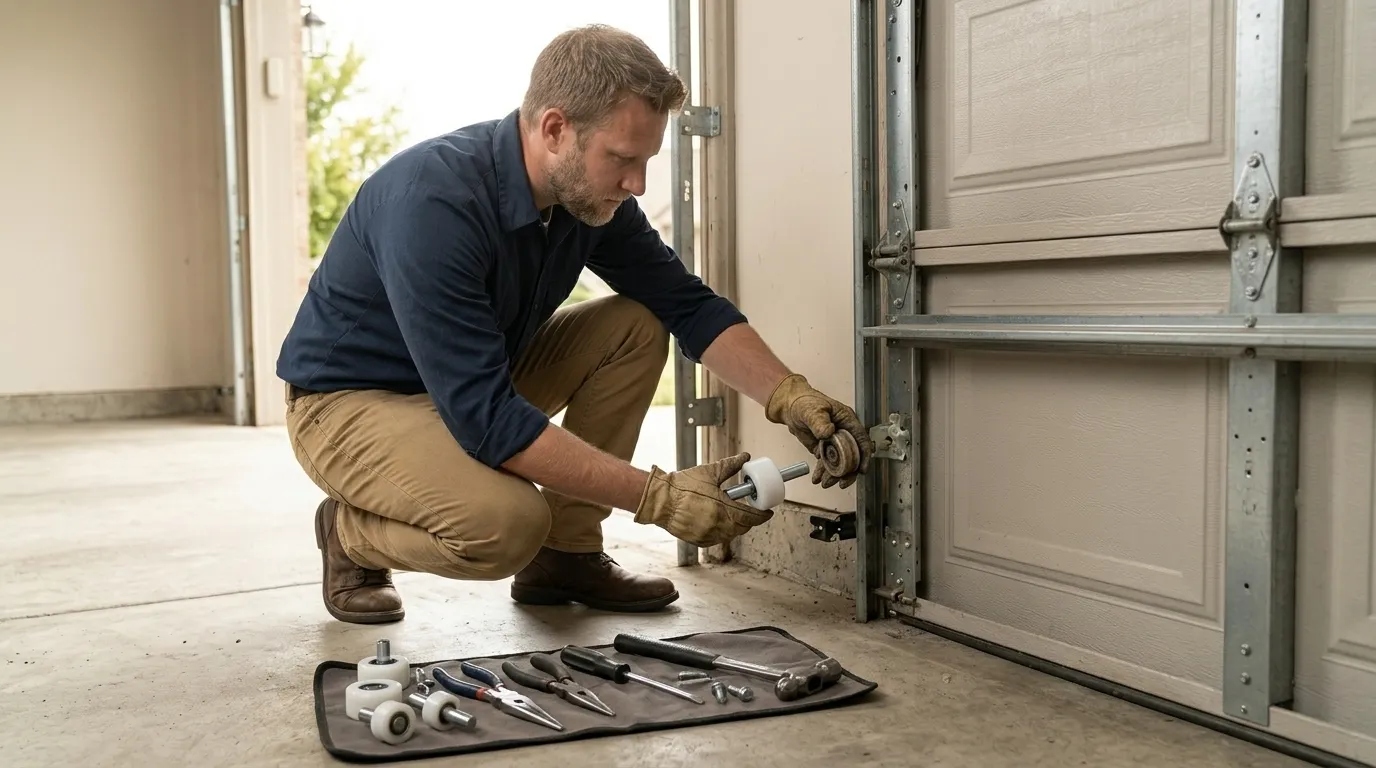
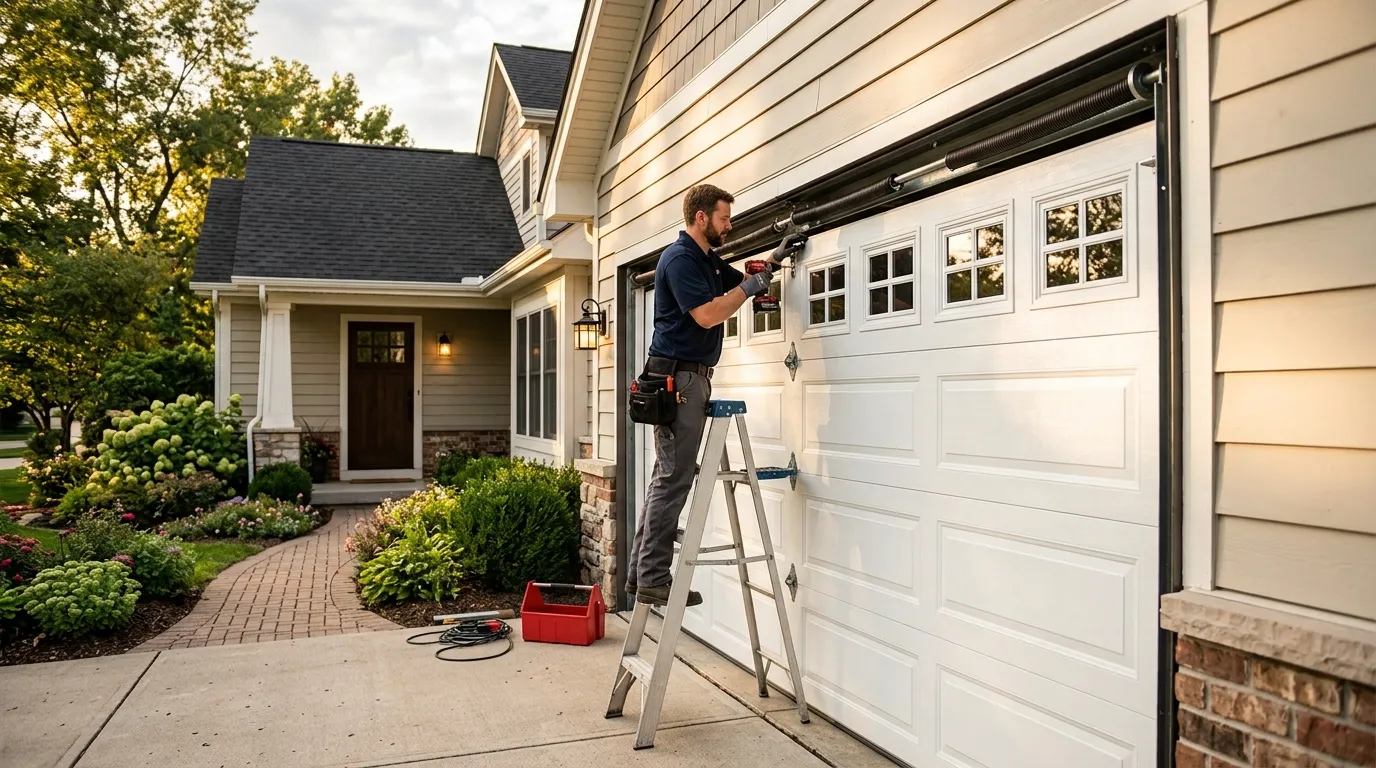
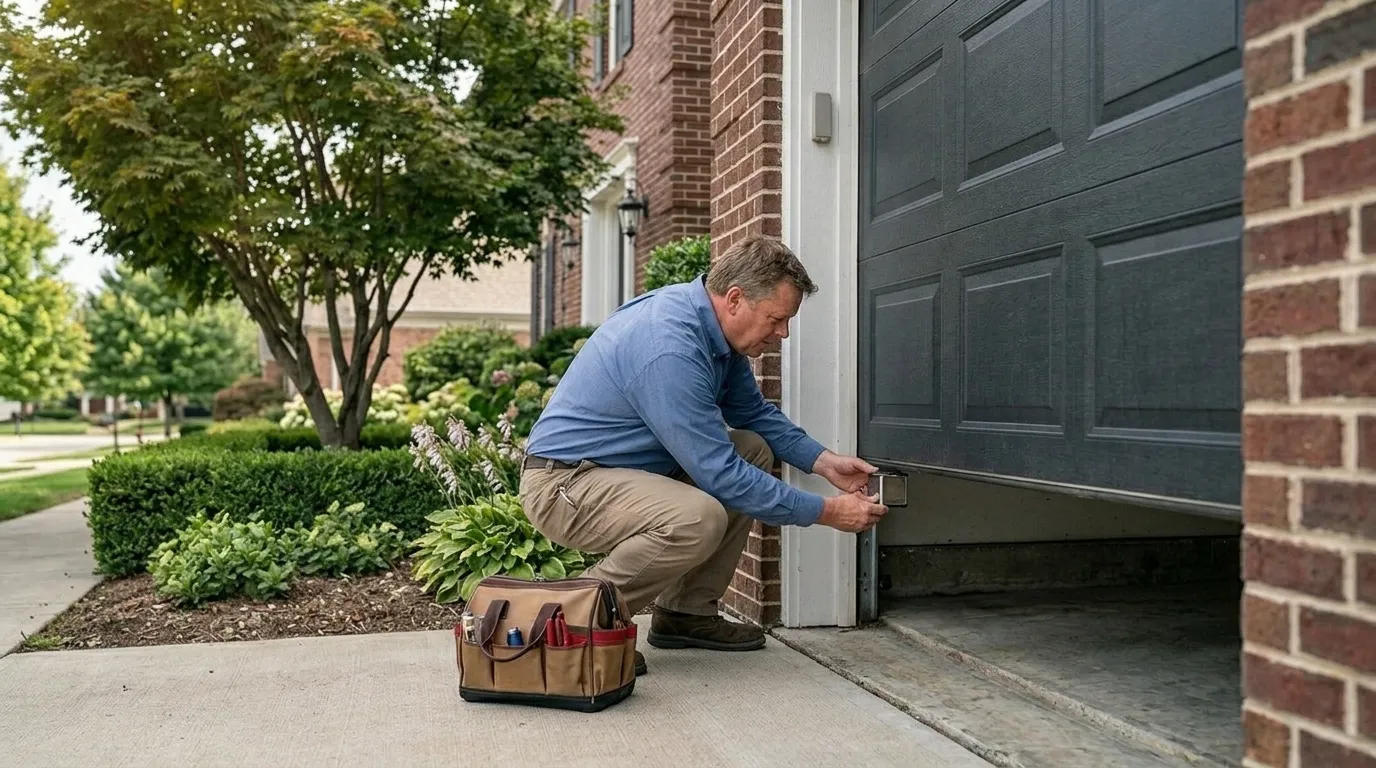
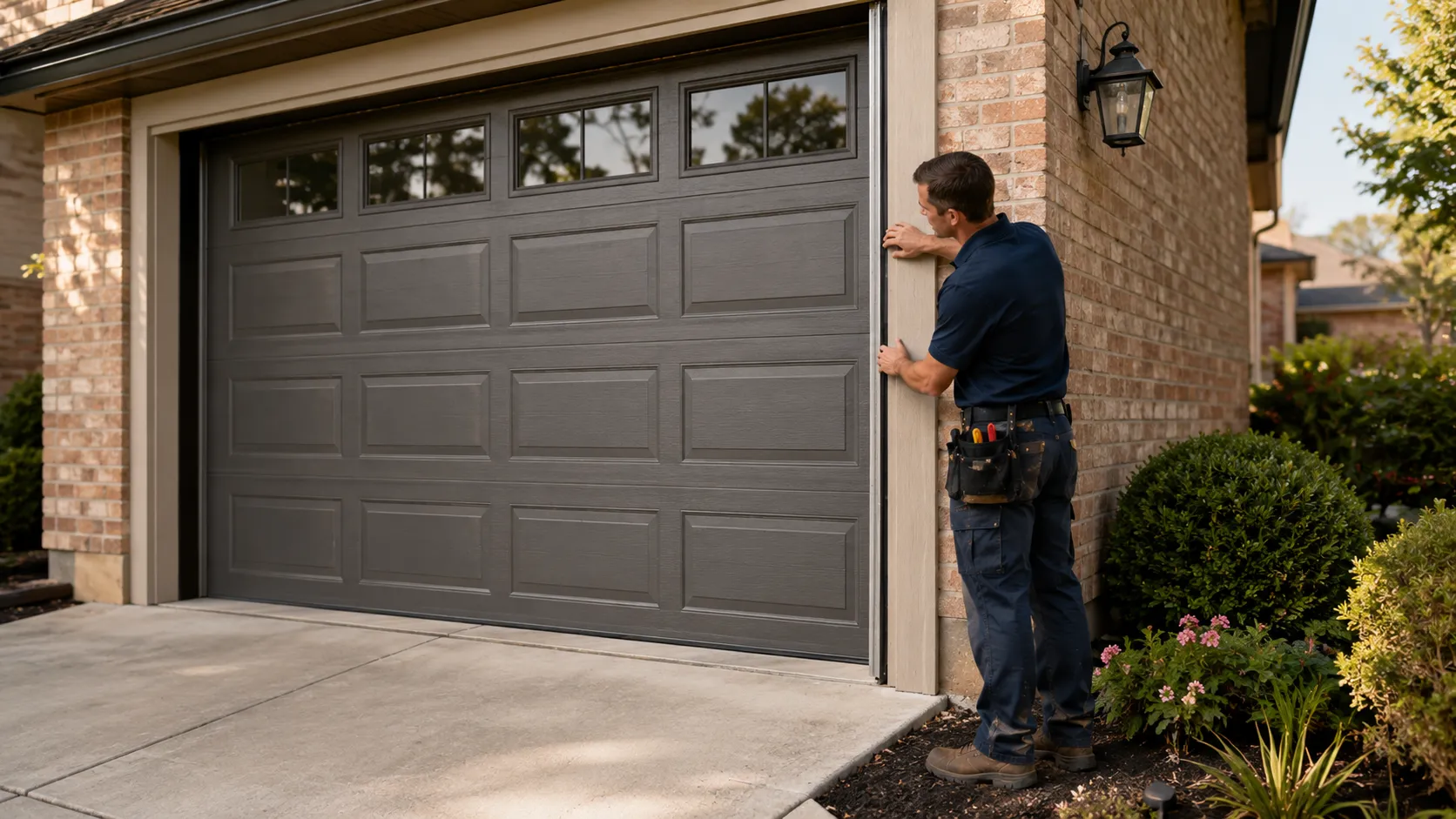
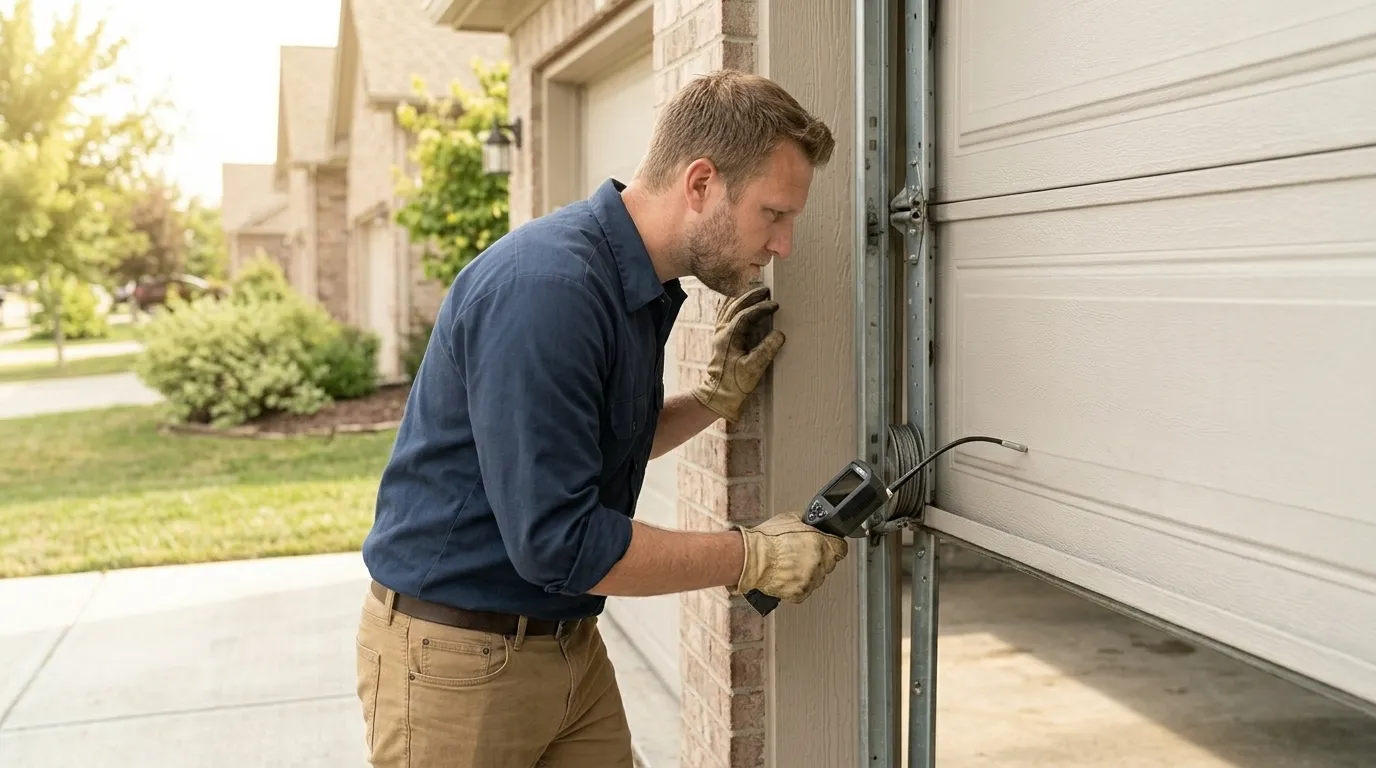
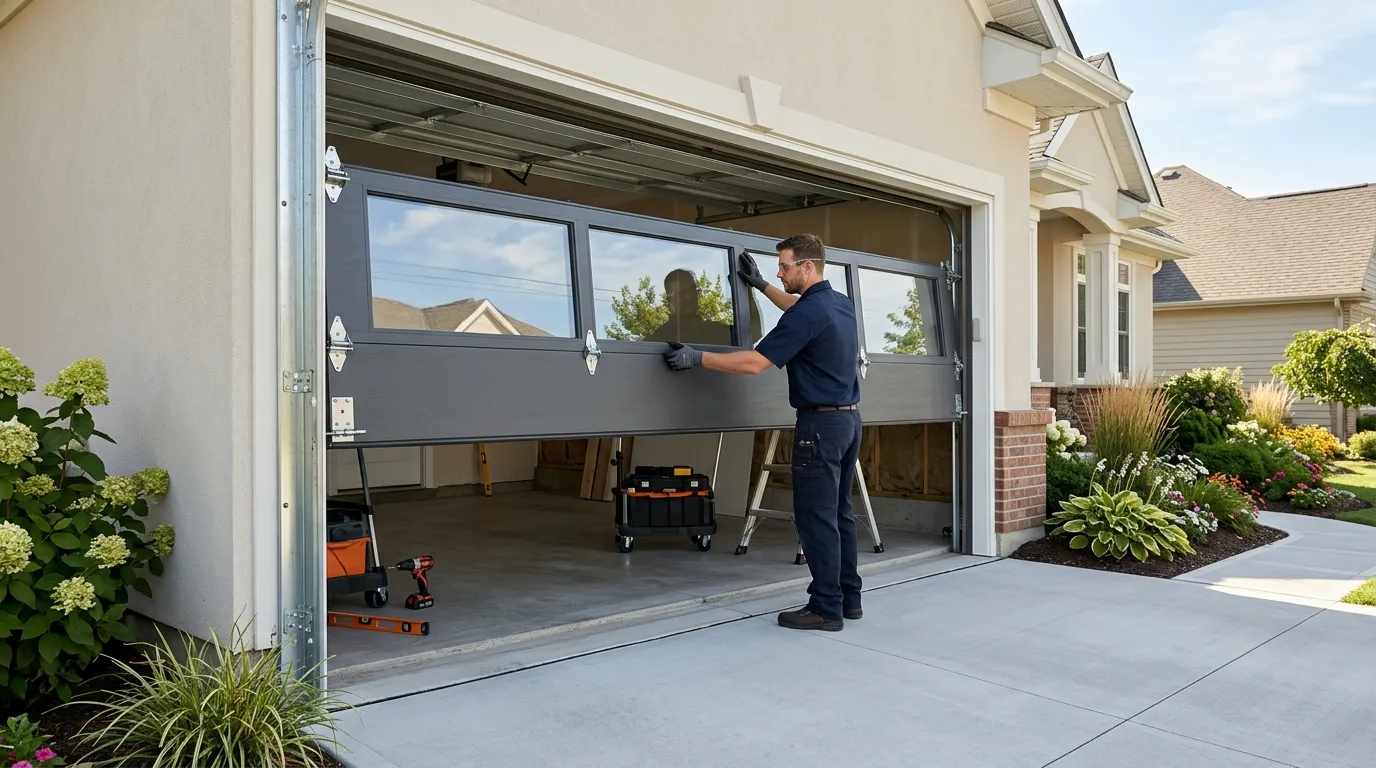
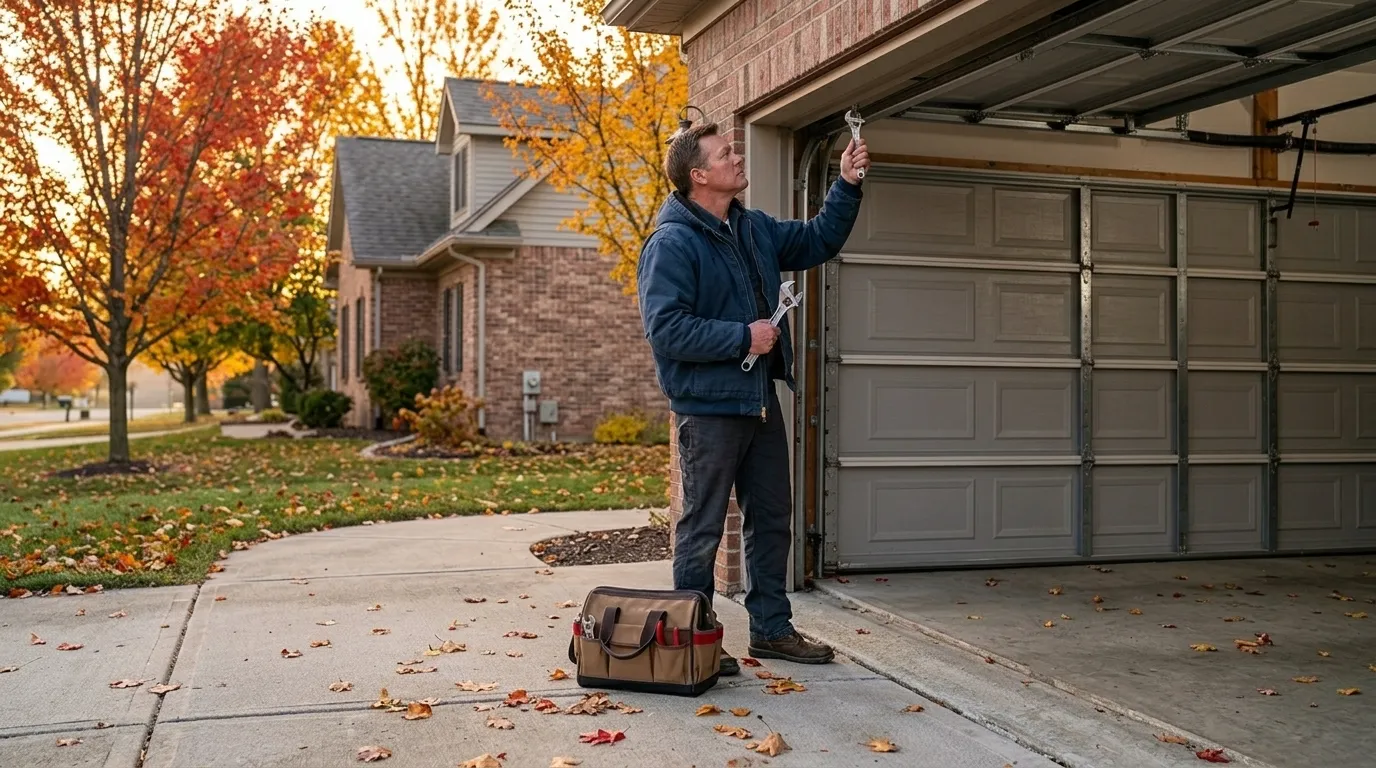
A look at doors, openers and springs we've installed and serviced across the Louisville metro.
Where We Work
Neighborhoods across the city and suburbs around the metro. Not sure if we reach you? Just ask.
Local Expertise
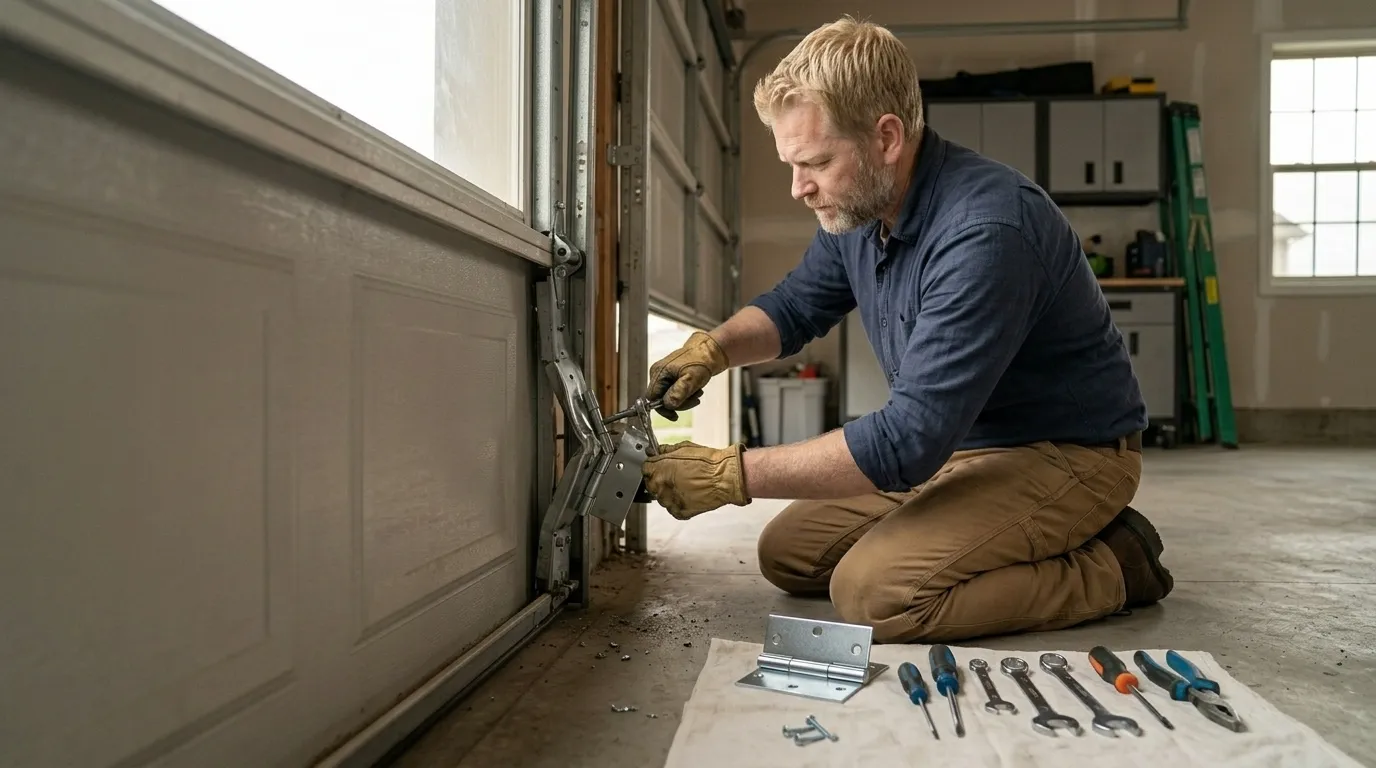
Louisville's housing stock runs mostly 1958 to 2003, with the median build year sitting around 1980, so we see a lot of original torsion springs still hanging on doors that are older than the homeowners who call us. Those springs weren't built to last forever, and a lot of them are past due. On the older end of that range you'll find steel doors with no insulation and hardware that was never rated for today's heavier openers. On the newer end, from the 80s and 90s, we run into first-generation chain-drive openers with circuit boards that are getting hard to source. Louisville sits in a cold-moderate climate band, so a spring that's been fine for a decade suddenly snaps on the first hard freeze of the year, usually right when you're trying to leave for work. Rollers dry out and crack, cables fray at the drum, and old wood-composite panels swell after a wet stretch and start dragging on the track. None of this is exotic. It's just what happens to a door that's been opening and closing twice a day for thirty or forty years in a climate that swings hard between seasons.
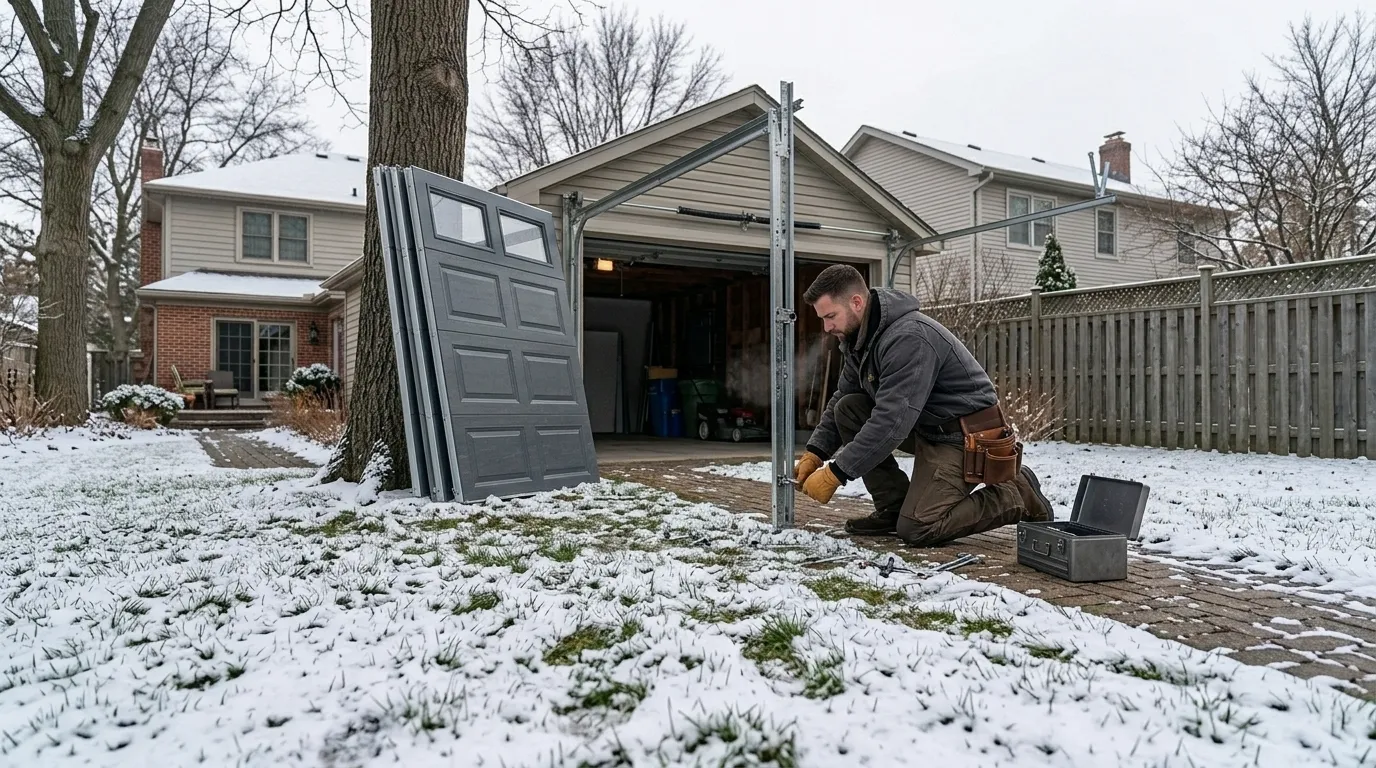
Across the roughly twenty named areas we work in, the pattern holds: most houses went up between 1958 and 2003, and the heaviest concentration of that stock dates to the 1980s and 90s. That means a lot of single-car and two-car attached garages built to the codes and door standards of that era, not the ones in place now. You'll see steel sectional doors that were standard builder-grade at the time, paired with openers that got swapped once, maybe twice, since the house was new. A house from the 1960s core of the city and a house from a 1990s subdivision can have completely different problems even though they're both twenty-some years overdue for a spring change. We don't assume every door is the same just because the neighborhood looks similar from the street. The build year tells us more about what's likely wrong than the zip code does.
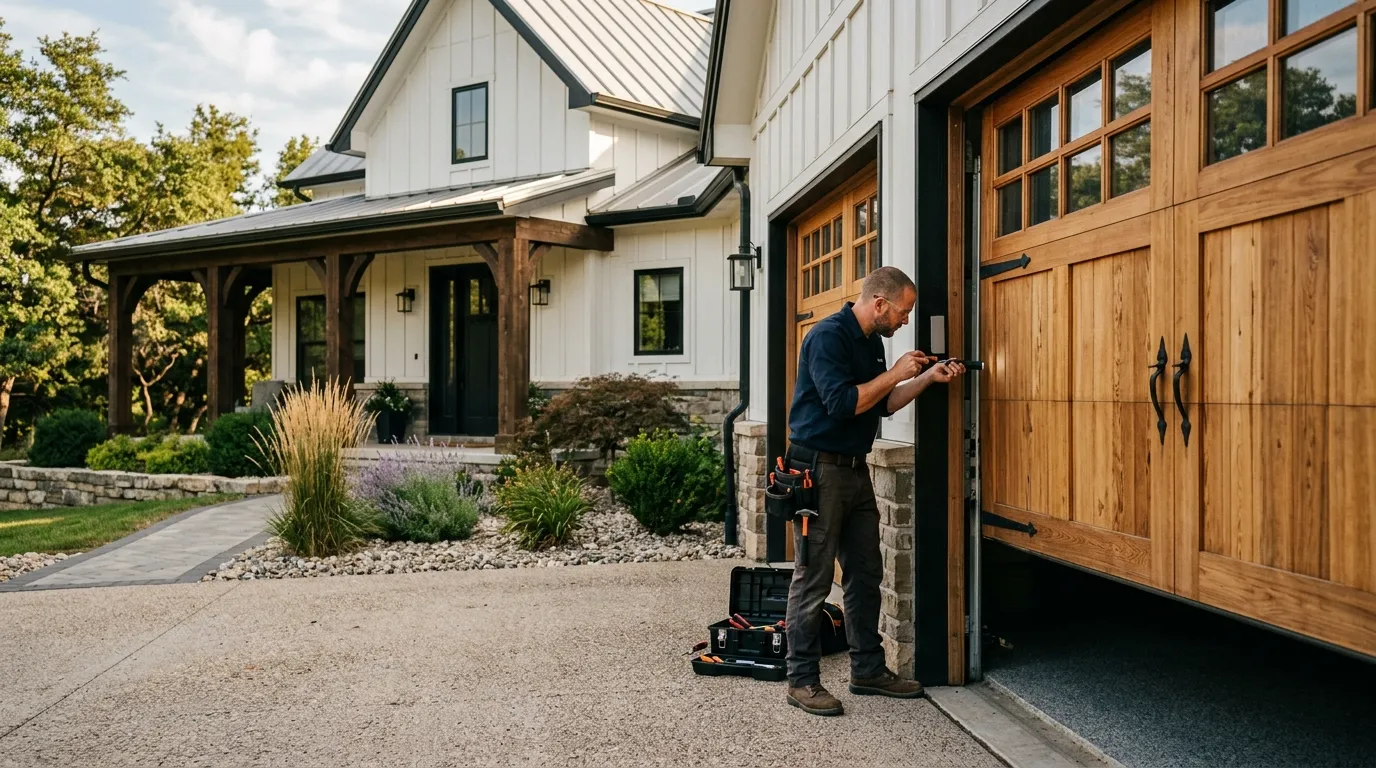
We run trucks close to home and out to the edges of the metro. Near the core, that's Old Louisville a mile northwest, Phoenix Hill two miles north, Downtown two miles north-northwest, and Crescent Hill three miles northeast. Moving out, we cover Bowman four miles east, Chickasaw five miles west-northwest, Iroquois Park five miles south-southwest, Newburg five miles southeast, Shively four miles out, Indian Hills and St. Matthews six miles out, and Glenview seven miles out. Further still, we get calls from Hurstbourne, Lyndon, and Jeffersontown around eight to nine miles, Douglass Hills, Pleasure Ridge Park, and Highview, and out past that to Brooks, Prospect, Anchorage, Hillview, Middletown, and Pioneer Village, ten to twelve miles from the core. On the outer edge of our range sit Pewee Valley, Goshen, Mount Washington, Crestwood, Shepherdsville, Lake Forest, Fisherville, and Buckner, the farthest of those at nineteen miles. If your address is anywhere in that spread, we've likely already worked a street near you.
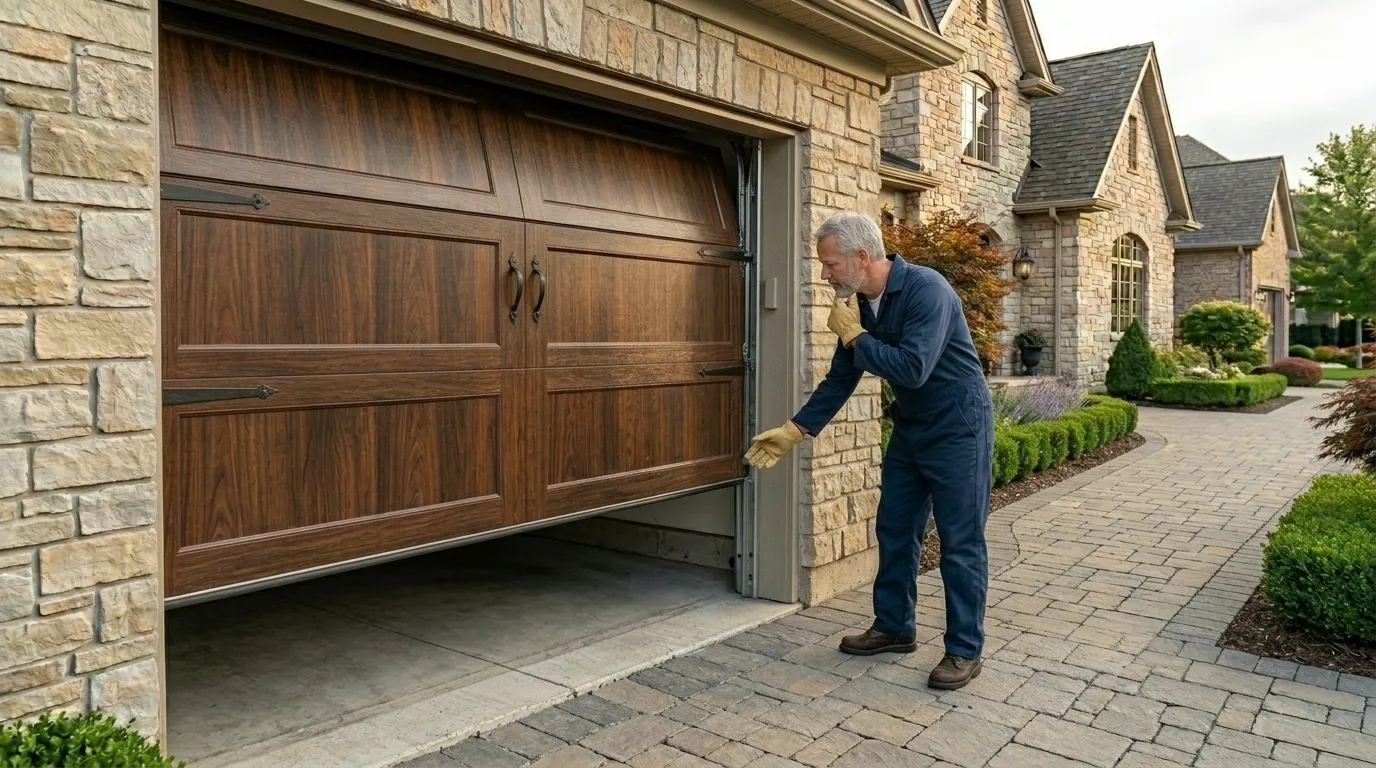
We're not going to put a number on this page that doesn't hold up once we see your door, because too much depends on what's actually wrong. Spring size depends on door weight, and a heavier insulated door needs a heavier spring set than the single-layer steel doors common in the older end of our service area. Panel material matters too - steel, wood composite, and insulated steel all price differently, and older doors sometimes need custom panel sizing because standard stock has changed since they were installed. Opener age is its own factor: a board or gear replacement on a unit from the 80s or 90s can be harder to source parts for than a new opener altogether, and sometimes replacement is the more honest answer than repair. With median household income in our service area at $93,339, we do more full door replacements out here than patch jobs, but that's a homeowner's call to make, not ours to push. The one thing we won't do is quote a firm price sight unseen - we'll give you a range on the phone and lock it in once we're standing in front of the door.
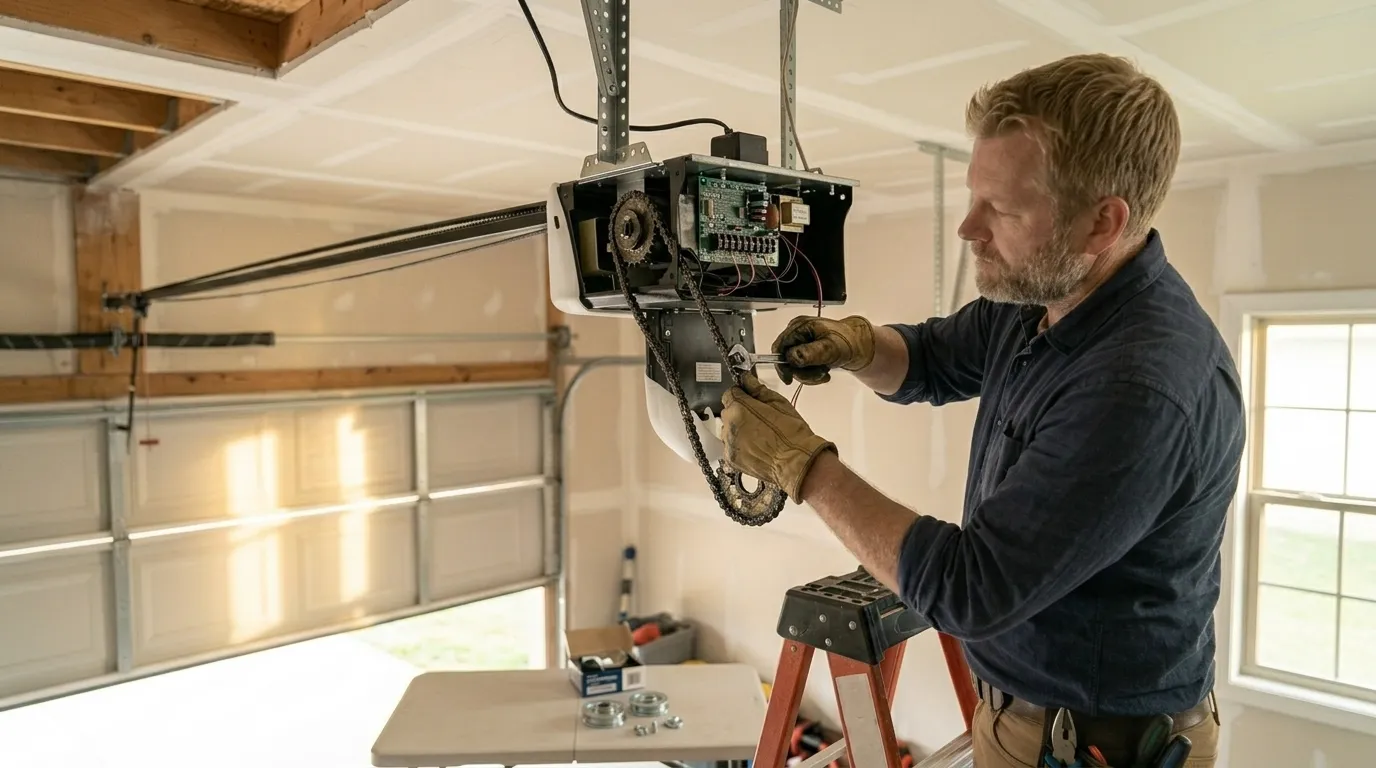
You tell us what the door's doing - won't open, opens crooked, makes a bang, opener runs but the door doesn't move - and we ask a few questions about the door's age and what kind of hardware it has, since a 1960s torsion setup and a 1990s extension-spring setup are different jobs before we even show up. We bring parts that cover the common failures for the age of house we're headed to, which in this service area usually means stock sized for that 1958 to 2003 build window. If it's something rarer, a discontinued opener board or an odd panel size, we'll tell you straight that it might mean a special order rather than a same-visit fix. We check the whole system while we're there, not just the part you called about, because a bad cable and a worn spring often go hand in hand on a door that's been running that long. You get a straight answer on repair versus replace before we start any work, not after.
Good to Know
Depends on what failed. If it's the logic board or a burnt motor on an opener that old, parts can be hard to find and a new opener sometimes costs about the same as the repair. If it's the sensor or the chain, that's usually a straightforward fix. We'll check it in person before recommending either way.
Louisville sits in a cold-moderate climate band, and metal contracts and gets more brittle when temperatures drop fast. A spring that's already near the end of its cycle life is more likely to give out on the first hard freeze than during a mild stretch, even though nothing about your daily use changed.
We run trucks across the metro, from Old Louisville and Downtown near the core out to Buckner and Shepherdsville on the far edge, roughly twenty miles out. Check the areas we cover section for the full list with distances, and if you're anywhere near one of those, we're likely already working your street.
We can give you a range based on what you describe, but not a firm number. Spring size, panel type, and opener age all change the job, and doors from different decades in this area vary enough that we'd rather see it than guess.
Call now or request a free quote - same-day service on most repairs, upfront written pricing.